


Pediatric Cancer Tumor Specimens
Bay Biosciences provides high quality, clinical grade pediatric tumor tissue specimens from various cancer indications to a valued pharmaceutical customer for drug discover, research and development. The pediatric cancer tumor tissue samples are collected from multiple pediatric cancer indications including Leukemia, Wilms tumor, Neuroblastoma and Retinoblastoma.
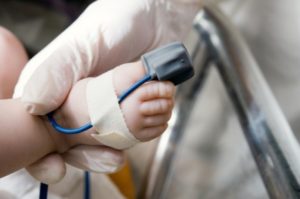
Pediatric Leukemia
Leukemias, which are cancers of the bone marrow and blood, are the most common childhood cancers. The most common types of leukemias in children are acute lymphocytic leukemia (ALL) and acute myeloid leukemia (AML).
These leukemias can cause bone and joint pain, fatigue, fever, weakness, headaches, pale skin, bleeding or bruising, weight loss, and other symptoms.
Wilms Tumor
Wilms tumor which is also known as Nephroblastoma is a rare type of cancer that starts in the kidney. Wilms’ tumor most often occurs in just one kidney, though it can sometimes be found in both kidneys at the same time. It is most often found in children about 3 to 4 years old, and is uncommon in older children and adults. It can show up as a swelling or lump in the belly. Sometimes the child might have other symptoms, like fever, pain, nausea and poor appetite.
Neuroblastoma
Neuroblastoma is a cancer that develops from immature nerve cells found in several areas of the body. Neuroblastoma most commonly arises in and around the adrenal glands, which have similar origins to nerve cells and sit atop the kidneys. The tumor can start anywhere, but it usually starts in the belly (abdomen) where it is noticed as swelling. It can also cause other symptoms, like bone pain and fever. Neuroblastoma starts in early forms of nerve cells found in a developing embryo or fetus. This type of cancer develops in infants and young children.
Retinoblastoma
Retinoblastoma is a rare form of eye cancer that begins in the retina which is the sensitive lining on the inside of the eye. Retina is made up of nerve tissue that senses light as it comes through the front of the eye. The retina sends signals through the optic nerve to the brain, where these signals are interpreted as images.
Retinoblastoma most commonly affects young children, but can also rarely occur in adults. Retinoblastoma is the most common form of cancer affecting the eye in children, Retinoblastoma may occur in one or both eyes. It accounts for about 2% of childhood cancers mostly occurs in children around the age of two, and is rarely found in children older than six.
Retinoblastoma occurs when nerve cells in the retina develop genetic mutations. These mutations cause the cells to continue growing and multiplying when healthy cells would die. This accumulating mass of cells forms a tumor. Retinoblastoma cells can invade further into the eye and nearby structures. Retinoblastoma can also spread or metastasize to surrounding tissue and other areas of the body, including the brain and spine.
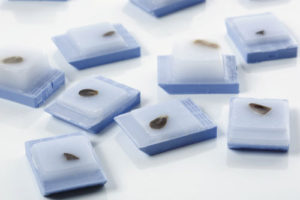
Detailed clinical data and pathology annotations including patient’s corresponding diagnostic test values are provided to a valued pharmaceutical customer for research, development and drug discovery.
Bay Biosciences is a global leader in providing researchers with high quality, clinical grade, fully characterized human tissue samples, bio-specimens and human bio-fluid collections from cancer (tumor) tissue, cancer sera (serum), cancer plasma, cancer PBMC and human tissue samples from most other therapeutic areas and diseases.
Bay Biosciences maintains and manages it’s own bio-repository, human tissue bank (biobank) consisting of thousands of diseased samples (specimens) and from normal healthy donors available in all formats and types. Our biobank procures and stores fully consented, deidentified and institutional review boards (IRB) approved human tissue samples and matched controls.
All our human human tissue collections, human specimens and human bio-fluids are provided with detailed samples associated patient’s clinical data. This critical patient’s clinical data includes information relating to their past and current disease, treatment history, lifestyle choices, biomarkers and genetic information. Patient’s data is extremely valuable for researchers and is used to help identify new effective treatments (drug discovery & development) in oncology, other therapeutic areas and diseases. This clinical information is critical to demonstrate their impact, monitor the safety of medicines, testing & diagnostics, and generate new knowledge about the causes of disease and illness.
Bay Biosciences banks wide variety of human tissue samples and biological samples including cryogenically preserved -80°C, fresh, fresh frozen tissue samples, tumor tissue samples, FFPE’s, tissue slides, with matching human bio-fluids, whole blood and blood derived products such as serum, plasma and PBMC’s.
Bay Biosciences is a global leader in collecting and providing human tissue samples according to the researchers specified requirements and customized, tailor made collection protocols. Please contact us anytime to discuss your special research projects and customized human tissue sample requirements.
Bay Biosciences provides human tissue samples (human specimens) from diseased and normal healthy donors; including peripheral whole-blood, amniotic fluid, bronchoalveolar lavage fluid (BAL), sputum, pleural effusion, cerebrospinal fluid (CSF), serum (sera), plasma, peripheral blood mononuclear cells (PBMC’s), saliva, Buffy coat, urine, stool samples, aqueous humor, vitreous humor, kidney stones, renal calculi, nephrolithiasis, urolithiasis and other bodily fluids from most diseases including cancer. We can also procure most human bio-specimens and can do special collections and requests of human samples that are difficult to find. All our human tissue samples are procured through IRB approved clinical protocols and procedures.
In addition to the standard processing protocols Bay Biosciences can also provide human plasma, serum, PBMC bio-fluid samples using custom processing protocols, you can buy donor specific sample collections in higher volumes and specified sample aliquoting from us. Bay Biosciences also provides human samples from normal healthy donors, volunteers, for controls and clinical research, contact us Now.
日本のお客様は、ベイバイオサイエンスジャパンBay Biosciences Japanまたはhttp://baybiosciences-jp.com/contact/までご連絡ください。