


Prostate Cancer Plasma and Urine Samples
Prostate Cancer Plasma and Urine Samples
Bay Biosciences provides high-quality, tissue samples with matched fresh frozen urine, sera (serum), plasma, and peripheral blood mononuclear cells (PBMC) bio-fluids from patients diagnosed with prostate cancer.
Moreover, the sera (serum), plasma and PBMC bio-fluids are processed from prostate cancer patient’s blood using customized collection and processing protocols.
In addition, the matched bio-fluids are collected from unique patients with prostate cancer and are provided to a valued pharmaceutical customer for research, development and drug discovery.
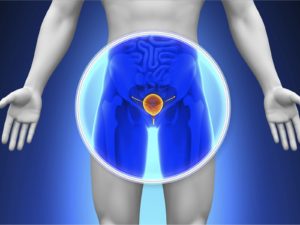
Prostate Cancer
In fact, prostate cancer is a form of cancer that develops in the prostate gland. Specifically, the prostate gland is about the size of a walnut. And weighs about one ounce; it is located below the bladder and in front of the rectum.
Furthermore, in men, prostate cancer is the most frequently diagnosed cancer in 112 countries worldwide. Thus, making it the most common type of cancer incidence in 2020. In addition, prostate cancer is the most common cancer among men in the United States.
Moreover, it is also one of the leading causes of cancer death among men. In fact, of all races and Hispanic origin populations. In particular, prostate cancer cells can spread by breaking away from a prostate tumor.
Consequently, they can travel through blood vessels or lymph nodes to other parts of the body. After spreading, cancer cells may attach to other tissues and, ultimately, grow to form new tumors. Thereby causing damage to other parts of the body.
Prostate Gland
In addition, the prostate is a walnut-sized gland located behind the base of the penis. In front of the rectum, and below the bladder. Furthermore, it surrounds the urethra, the tube-like channel that carries urine and semen through the penis. Specifically, the prostate’s main function is to make seminal fluid, the liquid in semen that protects, supports, and helps transport sperm.
Moreover, the prostate continues to enlarge as people age. Consequently, this can lead to a condition called benign prostatic hypertrophy (BPH), which is when the urethra becomes blocked. In fact, BPH commonly affects individuals as they grow older. Notably, researchers have not linked it to a greater risk of having prostate cancer.
Prostate Cancer Overview
For example, prostate cancer is somewhat unusual when compared with other types of cancer. This is because, in contrast to many other cancers, many prostate tumors do not spread quickly to other parts of the body.
Additionally, some prostate cancers grow very slowly and may not cause symptoms or problems for years. Moreover, in some cases, ever. Even when prostate cancer spreads to other parts of the body, it often can be managed for a long time.
Therefore, patients with prostate cancer, and even those with advanced prostate cancer, may live with good health and quality of life for many years. However, if existing treatments cannot well control the cancer, they can, unfortunately, cause symptoms like pain and fatigue and can sometimes lead to death.
Furthermore, histology is how cancer cells look under a microscope. The most common histology found in prostate cancer is called adenocarcinoma. On the other hand, other, less common histologic types include neuroendocrine prostate cancer and small cell prostate cancer. Notably, these rare variants tend to be more aggressive, produce much less PSA, and spread outside the prostate earlier.
Prostate-Specific Antigen (PSA)
Prostate-specific antigen (PSA) is a protein produced by cells in the prostate gland and released into the bloodstream. Furthermore, a blood test measures PSA levels. Although there is no such thing as a “normal PSA” for anyone at any given age, nevertheless, people with prostate cancer can have a higher-than-normal level of PSA.
In addition, other non-cancerous prostate conditions, such as benign prostatic hypertrophy (BPH) or prostatitis, can also lead to an elevated PSA level. Specifically, prostatitis is the inflammation or infection of the prostate. Moreover, some activities like ejaculation can temporarily increase PSA levels. Consequently, ejaculations should be avoided before a PSA test to avoid falsely elevated tests.
Ultimately, people should discuss with their primary care doctor the pros and cons of PSA testing before using it to screen for prostate cancer.
Prostate Cancer Gleason Score
The Gleason scoring system is, in fact, the most common prostate cancer grading system used. Specifically, the pathologist looks at how the cancer cells are arranged in the prostate and, consequently, assigns a score on a scale of 3 to 5 from 2 different locations.
Notably, cancer cells that look similar to healthy cells receive a low score. Conversely, cancer cells that look less like healthy cells or look more aggressive receive a higher score. To assign the numbers, the pathologist determines the main pattern of cell growth, which is the area where the cancer is most obvious, and then, in addition, looks for another area of growth.
Subsequently, the doctor gives each area a score from 3 to 5. The scores are then added together to come up with an overall score between 6 and 10. Importantly, Gleason scores of 5 or lower are not used.
Thus, the lowest Gleason score is 6, which is a low-grade cancer. Furthermore, a Gleason score of 7 is a medium-grade cancer, and, on the other hand, a score of 8, 9, or 10 is a high-grade cancer. Ultimately, a lower-grade cancer grows more slowly and is, therefore, less likely to spread than a high-grade cancer.
Prostate Cancer Signs and Symptoms
Following are the common signs and symptoms of prostate cancer:
- Firstly, frequent urination (overactive bladder)
- Secondly, weak or interrupted urine flow or the need to strain to empty the bladder
- Thirdly, the urge to urinate frequently at night (nocturia)
- Moreover, blood in the urine (hematuria)
- Furthermore, erectile dysfunction
- Also, pain or burning during urination
- Finally, pain or discomfort when sitting, caused by an enlarged prostate
If cancer has spread outside of the prostate gland, symptoms may include:
- First pain in the back, hips, thighs, shoulders, or other bones
- Next, swelling or fluid buildup in the legs or feet
- Also, unexplained weight loss
- Likewise, fatigue
- Finally, Change in bowel movements
Prostate Cancer Risk Factors
Certain men are at higher risk than others for developing prostate cancer, which may affect when they should start being screened. The risk of developing prostate cancer increases with age, particularly after age 50. Following are some of the risk factors of developing prostate cancer:
- African American men are twice as likely as Caucasian white men to develop the disease.
- Having a family history of prostate cancer. A father or a brother diagnosed with prostate cancer, particularly if it is at a relatively early age, increases the risk of developing prostate cancer.
- Having a family history of breast and ovarian cancer may also be associated with an inherited risk of developing prostate cancer
- High-fat diet and/or obesity
- Smoking
- A sedentary lifestyle
However, there may be measures to aid in the prevention of prostate cancer and that can reduce risk, including regular exercise and diets low in fat and high in fruits, vegetables and whole fibers. Foods with high amounts of the antioxidant lycopene, such as tomatoes, grapefruit, and watermelon may help to lower the risk of developing prostate cancer.
Prostate Cancer Diagnosis
In fact, prostate cancer diagnosis starts with the following screening tests:
- First, digital rectal examination (DRE): Doctor inserts a lubricated gloved finger into the rectum to check for lumps on the prostate.
- Second, prostate-specific antigen (PSA) blood test: a blood sample is analyzed for levels of a protein produced by the prostate that, when elevated, can indicate the presence of cancer.
- Finally, new urinary (PCA3 and MDx Select) and blood (4K score and PHI test) biomarkers are also used at times to screen for prostate cancer in men considered to be at-risk for the diagnosis.
Prostate Cancer Genetics
Genes that may carry an increased risk of developing prostate cancer include the following:
HPC1, HPC2, HPCX, CAPB, ATM, FANCA, HOXB13, and mismatch repair genes. However, none of them has been directly shown to cause prostate cancer or be specific to the disease. Research to identify genes associated with an increased risk of prostate cancer is ongoing, and researchers are constantly learning more about how specific genetic changes can influence the development of prostate cancer. At present, there are no genetic tests available to determine someone’s chance of developing prostate cancer.
Biospecimens

Bay Biosciences is, indeed a global leader in providing researchers with high quality, clinical grade, fully characterized human tissue samples, bio-specimens, and human bio-fluid collections.
Specifically, aamples available include cancer (tumor) tissue, cancer serum, cancer plasma, cancer, peripheral blood mononuclear cells (PBMC) and human tissue samples from most other therapeutic areas and diseases.
Moreover, Bay Biosciences maintains and manages its own biorepository, the human tissue bank (biobank) consisting of thousands of diseased samples (specimens) and from normal healthy donors available in all formats and types.
In fact, our biobank procures and stores fully consented, de-identified and institutional review boards (IRB) approved human tissue samples and matched controls.
Additionally, all our human tissue collections, human specimens and human bio-fluids are provided with detailed, samples associated patient’s clinical data.
In particular, critical patient’s clinical data includes information relating to their past and current disease, treatment history, lifestyle choices, biomarkers, and genetic information.
Moreover, researchers find patient’s data extremely valuable and use it to help identify new effective treatments (drug discovery & development) in oncology, and other therapeutic areas and diseases.
Specifically, Bay Biosciences banks wide variety of human tissue samples and biological samples, including cryogenically preserved at – 80°C.
For example fresh frozen tissue samples, tumor tissue samples, formalin-fixed paraffin-embedded (FFPE), tissue slides, with matching human bio-fluids, whole blood and blood-derived products such as serum, plasma and PBMC.
Furthermore, Bay Biosciences is a global leader in collecting and providing human tissue samples according to the specified requirements and customized, tailor-made collection protocols.
Therefore, please contact us anytime to discuss your special research projects and customized human tissue sample requirements.
Types of Biospecimens
Bay Biosciences provides human tissue samples (human specimens) from diseased and normal healthy donors which includes:
- Firstly, Peripheral whole-blood
- Secondly, Amniotic fluid
- Third, Bronchoalveolar lavage fluid (BAL)
- Moreover, Sputum
- Furthermore, Pleural effusion
- Next, Cerebrospinal fluid (CSF)
- Also, Serum (sera)
- Likewise, Plasma
- In addition, Peripheral blood mononuclear cells (PBMC)
- For example, Saliva
- Also, Buffy coat
- Moreover, Urine
- Furthermore, stool samples
- Next, Aqueous humor
- Likewise, Vitreous humor
- Lastly, Kidney stones (renal calculi)
- Finally, Other bodily fluids from most diseases including cancer.
Moreover, we can also procure most human bio-specimens, furthermore; we offer special collections and requests for human samples that are difficult to find. All our human tissue samples are procured through IRB-approved clinical protocols and procedures.
In addition to the standard processing protocols, Bay Biosciences can also provide human plasma, serum, and PBMC bio-fluid samples using custom processing protocols. Additionally you buy donor-specific collections in higher volumes and specified sample aliquots from us.
Furthermore, Bay Biosciences also provides human samples from normal healthy donors; volunteers, for controls and clinical research, contact us Now.
- 日本のお客様は、ベイバイオサイエンスジャパンBay Biosciences Japanまたはhttp://baybiosciences-jp.com/contact/までご連絡ください。